Yard House Steak Bowl Recipe – Easy Copycat Dinner
If you love tender, juicy steak served with flavorful grains and colorful vegetables, this Yard House Steak Bowl recipe is a delicious restaurant-inspired meal you can recreate at home. Featuring perfectly seared sirloin steak, sesame brown rice, red quinoa, crisp vegetables, and a savory garlic-soy sauce, this homemade version brings together the satisfying flavors and textures of the popular Yard House dish.
What makes this steak bowl so appealing is the combination of hearty ingredients and bold seasoning. The sirloin provides rich, beefy flavor, while shiitake mushrooms, snap peas, bok choy, carrots, red onion, and asparagus add freshness and texture. Everything comes together with a sesame-infused sauce that adds a delicious savory finish without overpowering the natural flavors.
Whether you’re preparing a satisfying family dinner, looking for a protein-rich meal, or planning your weekly meal prep, this easy copycat Yard House Steak Bowl recipe is a versatile option that can be customized to suit your preferences.
Quick Recipe Facts
| Total Servings | Cuisine | Calories | Time | Course |
|---|---|---|---|---|
| 4 Servings | American | 540 Kcal | 1 hr. 10 Mins. | Main Course |
Why You’ll Love This Yard House Steak Bowl Recipe
There are plenty of reasons to try this homemade Yard House Steak Bowl recipe. It combines the comforting flavors of a restaurant-style steak dinner with fresh vegetables, satisfying grains, and a delicious sesame-soy sauce.- Tender and Juicy Steak: Sirloin steak develops a flavorful browned crust while remaining tender when cooked properly, rested, and sliced against the grain.
- Restaurant-Inspired Flavor: The combination of sesame brown rice, red quinoa, fresh vegetables, and savory seasoning reflects the main ingredients associated with Yard House’s popular steak bowl.
- Balanced and Satisfying: Each serving combines protein-rich beef, hearty whole grains, and a variety of colorful vegetables.
- Delicious Homemade Sauce: Soy sauce, garlic, ginger, sesame oil, and a little honey create a flavorful dressing that complements the steak and vegetables.
- Perfect for Meal Prep: The individual ingredients can be prepared ahead of time and assembled into convenient meals throughout the week.
- Easy to Customize: You can substitute vegetables, adjust the spice level, or use a different protein without changing the basic cooking method.
- Great for Family Dinners: This recipe makes four servings and works well for weeknight meals, casual gatherings, or a homemade restaurant-style dinner.
What Is a Yard House Steak Bowl?
The Yard House Steak Bowl is a popular entrée served at Yard House, an American restaurant chain known for its extensive menu of steaks, burgers, appetizers, and globally inspired dishes. The steak bowl features grilled sirloin steak served with a mixture of stir-fried sesame brown rice and red quinoa, accompanied by fresh vegetables and savory seasonings.
The restaurant’s published menu descriptions identify ingredients including shiitake mushrooms, snap peas, bok choy, carrots, red onion, and red pepper flakes. Depending on the menu version, the vegetable mixture also features asparagus or baby broccoli.
Unlike a traditional steak dinner with mashed potatoes or fries, the Yard House Steak Bowl combines leaner cuts of beef with whole grains and stir-fried vegetables. The brown rice provides a slightly chewy, nutty foundation, while red quinoa contributes additional texture. The vegetables remain tender-crisp, creating a satisfying contrast with the juicy steak.
This homemade version follows the restaurant’s main ingredient combination while using an easy garlic-soy sesame sauce to bring the flavors together. Since Yard House does not publicly provide its complete proprietary recipe or sauce formula, this is an independently developed copycat intended to recreate the general flavor and presentation of the original dish.
Ingredients
For the Steak:
- 1 lb boneless sirloin steak, approximately ¾–1 inch thick
- 1 tablespoon avocado oil or vegetable oil
- ½ teaspoon kosher salt
- ½ teaspoon freshly ground black pepper
For the Brown Rice and Quinoa:
- ⅔ cup uncooked brown rice, yielding approximately 2 cups cooked
- ⅓ cup uncooked red quinoa, yielding approximately 1 cup cooked
- Water for cooking the grains, according to package directions
For the Vegetables:
- 1 tablespoon avocado oil or vegetable oil
- 1 cup shiitake mushrooms, sliced
- 1 cup sugar snap peas, trimmed
- 2 small baby bok choy, chopped (approximately 2 cups)
- 1 medium carrot, thinly sliced
- ½ medium red onion, thinly sliced
- 1 cup asparagus, cut into bite-sized pieces
For the Sesame-Soy Sauce:
- 3 tablespoons reduced-sodium soy sauce
- 2 tablespoons water
- 1 tablespoon unseasoned rice vinegar
- 2 teaspoons toasted sesame oil
- 1 teaspoon honey
- 2 garlic cloves, minced
- 1 teaspoon freshly grated ginger
- ¼ teaspoon crushed red pepper flakes, or to taste
For Garnishing:
- 1 tablespoon toasted sesame seeds
- 2 green onions, thinly sliced
Ingredient Notes & Substitutions
- Sirloin Steak: Sirloin is the preferred cut for this recipe because it provides a rich beefy flavor without being excessively fatty. Choose a steak with some marbling for better tenderness and moisture. Ribeye can be substituted for a richer flavor, while flank steak or skirt steak also works when sliced thinly against the grain.
- Brown Rice: Brown rice forms the hearty foundation of the steak bowl. It has a pleasantly chewy texture and mild nutty flavor that pairs well with steak and stir-fried vegetables. If you prefer a softer texture or quicker preparation, use cooked jasmine rice or white rice instead.
- Red Quinoa: Red quinoa adds color, texture, and a slightly earthy flavor. It also holds its shape well when tossed with vegetables and sauce. White or tri-color quinoa can be substituted if red quinoa is unavailable.
- Shiitake Mushrooms: Shiitake mushrooms contribute a deep, earthy, umami-rich flavor that complements the beef. Fresh shiitake mushrooms are ideal, but cremini or button mushrooms are suitable alternatives. Remove the tough shiitake stems before slicing.
- Sugar Snap Peas: Snap peas add natural sweetness and a crisp bite to the bowl. Fresh snap peas work particularly well because they retain their texture during quick stir-frying. Snow peas can be substituted, although they have a flatter shape and slightly different texture.
- Baby Bok Choy: Bok choy provides tender green leaves and crunchy white stems. It absorbs savory seasonings while adding freshness to the dish. Regular bok choy, napa cabbage, or baby spinach can be used when baby bok choy is unavailable.
- Carrots: Thinly sliced carrots add natural sweetness, bright orange color, and a satisfying crunch. Cut them into thin diagonal slices or matchsticks so they cook quickly and evenly.
- Red Onion: Red onion adds a mild sharpness and subtle sweetness when stir-fried. Yellow onion or shallots can be substituted, although the flavor will be slightly different.
- Asparagus: Asparagus contributes a tender-crisp texture and fresh, slightly grassy flavor. Baby broccoli or broccolini makes an excellent alternative and is also found in some Yard House Steak Bowl menu descriptions.
- Soy Sauce: Reduced-sodium soy sauce provides the savory, umami-rich foundation of the homemade sauce. Tamari can be substituted for a similar flavor. Choose certified gluten-free tamari if preparing a gluten-free version.
- Toasted Sesame Oil: Toasted sesame oil gives the sauce a distinctive nutty aroma that complements the brown rice and quinoa. A small amount is enough because its flavor is concentrated.
- Garlic and Ginger: Fresh garlic and ginger create an aromatic, savory flavor that enhances both the vegetables and steak. Fresh ingredients are recommended, but garlic powder and ground ginger can be used in smaller quantities if needed.
- Rice Vinegar: Unseasoned rice vinegar adds mild acidity and balances the richness of the soy sauce and sesame oil. Apple cider vinegar can work as a substitute, although it has a sharper flavor.
- Honey: A small amount of honey balances the salty and tangy ingredients without making the sauce overly sweet. Brown sugar or maple syrup can be substituted.
- Red Pepper Flakes: Crushed red pepper flakes introduce gentle heat. Reduce or omit them for a milder version, or increase the amount if you enjoy spicy food.
Kitchen Tools You’ll Need
- Large cast-iron skillet or heavy-bottomed frying pan
- Large wok or nonstick skillet
- Medium saucepan with lid for brown rice
- Small saucepan with lid for quinoa
- Sharp chef’s knife
- Cutting board
- Measuring cups and spoons
- Mixing bowl for the sauce
- Whisk or fork
- Kitchen tongs
- Wooden spoon or heatproof spatula
- Fine-mesh strainer for rinsing quinoa
- Instant-read meat thermometer
- Serving bowls
- Paper towels for drying the steak
How to Make Yard House Steak Bowl (Step-by-Step)
Step 1: Prepare the Ingredients
Start by gathering all the ingredients. Pat the sirloin steak dry with paper towels and season both sides evenly with kosher salt and freshly ground black pepper.
Wash and prepare the vegetables. Slice the shiitake mushrooms, trim the snap peas, chop the baby bok choy, thinly slice the carrot and red onion, and cut the asparagus into bite-sized pieces.
Keep the vegetables separated according to their cooking times. Carrots and asparagus take slightly longer to soften than bok choy leaves and snap peas.
Step 2: Cook the Brown Rice
Rinse the brown rice under cold running water and transfer it to a medium saucepan.
Add water according to the package directions, bring to a boil, then reduce the heat to low. Cover and simmer until the rice is tender and the water has been absorbed, usually around 35–45 minutes.
Remove the saucepan from the heat and allow the rice to rest, covered, for approximately 5 minutes. Fluff gently with a fork before using.
Step 3: Cook the Red Quinoa
While the brown rice cooks, rinse the red quinoa thoroughly using a fine-mesh strainer.
Place the quinoa in a small saucepan with water according to the package directions. Bring to a boil, reduce the heat, and simmer covered for approximately 15–20 minutes, or until the grains are tender and the liquid has been absorbed.
Remove from the heat and let the quinoa rest for 5 minutes before fluffing with a fork.
You can prepare the quinoa while the brown rice is still cooking to save time.
Step 4: Prepare the Sesame-Soy Sauce
In a small mixing bowl, combine the reduced-sodium soy sauce, water, rice vinegar, toasted sesame oil, honey, minced garlic, grated ginger, and crushed red pepper flakes.
Whisk until the honey dissolves and the ingredients are evenly mixed.
Taste the sauce and adjust the balance if necessary. Add a little water if it tastes too salty or a small amount of additional vinegar if you prefer a tangier finish.
Set the sauce aside until the steak and vegetables are ready.
Step 5: Sear the Sirloin Steak
Heat 1 tablespoon of avocado oil in a large cast-iron skillet over medium-high heat.
Once the oil is hot, carefully place the seasoned sirloin steak in the skillet. Sear for approximately 3–5 minutes on the first side, depending on thickness.
Turn the steak with kitchen tongs and continue cooking for another 3–5 minutes, checking the internal temperature with an instant-read thermometer.
For the USDA-recommended minimum safe temperature for whole cuts of beef, cook the steak to 145°F (63°C) and allow it to rest for at least 3 minutes.
Avoid pressing down on the steak while cooking, as this can squeeze out juices.
Step 6: Rest and Slice the Steak
Transfer the cooked steak to a clean cutting board and let it rest for approximately 5 minutes.
Resting allows the juices to redistribute throughout the meat, helping it remain tender when sliced.
Using a sharp knife, cut the steak into thin slices against the grain. Cutting across the muscle fibers makes each piece easier to chew.
Set the sliced steak aside while preparing the vegetables and grains.
Step 7: Stir-Fry the Vegetables
Heat the remaining tablespoon of avocado oil in a large wok or skillet over medium-high heat.
Add the sliced red onion, carrot, and asparagus. Stir-fry for approximately 2–3 minutes, stirring frequently.
Add the shiitake mushrooms and continue cooking for another 2 minutes until they begin to soften.
Next, add the snap peas and chopped baby bok choy. Cook for another 2–3 minutes, tossing gently until the vegetables become tender-crisp.
The vegetables should remain colorful and retain some crunch rather than becoming completely soft.
Step 8: Add the Brown Rice and Quinoa
Add the cooked brown rice and red quinoa directly to the skillet with the stir-fried vegetables.
Gently toss everything together using a spatula or wooden spoon.
Cook for approximately 1–2 minutes, allowing the grains to warm through and develop a light stir-fried texture.
Break apart any large clumps of rice so the grains combine evenly with the vegetables.
Step 9: Add the Sesame-Soy Sauce
Pour the prepared sesame-soy sauce over the rice, quinoa, and vegetables.
Toss gently until everything is evenly coated.
Continue stir-frying for another 1–2 minutes, allowing the garlic, ginger, sesame oil, and soy sauce to flavor the grain mixture.
Avoid adding extra salt before tasting because the soy sauce already contributes considerable seasoning.
Step 10: Assemble the Steak Bowls
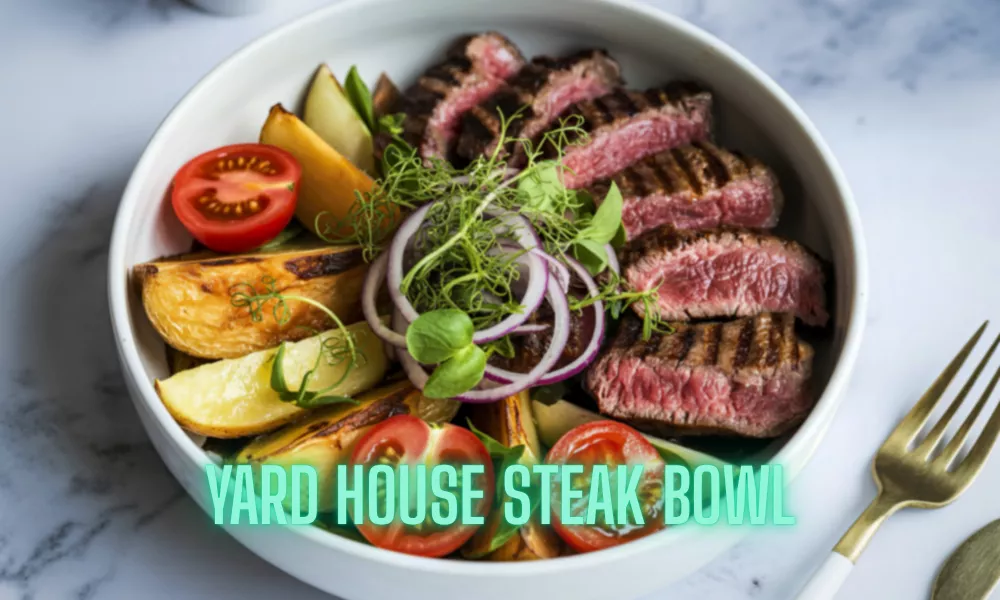
Divide the warm brown rice, quinoa, and vegetable mixture evenly among four serving bowls.
Arrange the sliced sirloin steak over the top of each portion.
For an attractive presentation, fan the steak slices across one side of the bowl while leaving some of the colorful vegetables visible.
Step 11: Garnish and Serve
Sprinkle the toasted sesame seeds and thinly sliced green onions over the assembled bowls.
Serve immediately while the steak is warm, the grains are fluffy, and the vegetables retain their tender-crisp texture.
Common Mistakes to Avoid
- Choosing the Wrong Cut of Steak: Very tough or excessively lean cuts can become chewy when cooked quickly. Sirloin is a reliable option because it provides good flavor and tenderness. If using flank or skirt steak, slice it thinly against the grain.
- Not Drying the Steak: Excess moisture on the surface prevents proper browning. Pat the steak thoroughly dry with paper towels before seasoning and searing.
- Cooking the Steak in a Cold Pan: A properly preheated skillet helps create a flavorful browned crust. If the pan is too cool, the steak may release moisture and steam instead of searing.
- Overcooking the Steak: Cooking the steak longer than necessary can cause it to become dry and tough. Use an instant-read thermometer to monitor doneness rather than relying entirely on cooking time.
- Skipping the Resting Time: Cutting the steak immediately after cooking causes more juices to escape. Let it rest for approximately 5 minutes before slicing.
- Slicing With the Grain: Cutting parallel to the muscle fibers can make even a good cut of steak chewy. Always slice against the grain for a more tender texture.
- Overcooking the Vegetables: Stir-frying vegetables for too long can make them soft and watery. Cook over medium-high heat and add quick-cooking vegetables toward the end.
- Using Mushy Brown Rice: Overcooked rice becomes sticky and loses its chewy texture when stir-fried. Follow the package instructions and let the grains rest before adding them to the skillet.
- Adding Too Much Sauce: Excess sauce can overwhelm the steak and make the grains soggy. Start with the measured amount and add extra seasoning only after tasting.
- Overcrowding the Pan: Adding too many vegetables at once lowers the pan’s temperature and encourages steaming. Cook in batches if your skillet is too small.
Flavor Variations
- Spicy Yard House Steak Bowl: Increase the crushed red pepper flakes to ½ teaspoon or add a small amount of chili-garlic sauce to the sesame-soy mixture. This creates a bolder, spicier version without changing the overall preparation.
- Chicken Steak Bowl Alternative: Replace the sirloin with boneless, skinless chicken breast or chicken thighs. Slice or cube the chicken, season it lightly, and cook until it reaches an internal temperature of 165°F (74°C).
- Shrimp Bowl: Substitute the steak with peeled and deveined shrimp. Cook the shrimp briefly in a hot skillet until the flesh becomes opaque and reaches 145°F (63°C). Serve with the same grains, vegetables, and sauce.
- Extra-Vegetable Steak Bowl: Increase the amount of bok choy, mushrooms, or snap peas. You can also add baby broccoli, bell peppers, or zucchini for additional color and texture.
- Low-Carb Steak Bowl: Replace the brown rice and quinoa with cauliflower rice. Stir-fry the cauliflower rice until tender and excess moisture evaporates before combining it with the vegetables and sauce.
- Garlic-Ginger Steak Bowl: Add an extra minced garlic clove and another ½ teaspoon of grated ginger to the sauce for a stronger aromatic flavor.
- Teriyaki-Style Steak Bowl: Replace part of the soy sauce with teriyaki sauce and reduce the honey if necessary. This produces a sweeter, glossy coating that complements the beef and vegetables.
- Sesame-Mushroom Steak Bowl: Increase the shiitake mushrooms to 2 cups and add a little extra toasted sesame oil at serving time for a more pronounced earthy, nutty flavor.
What to Serve With Yard House Steak Bowl
The Yard House Steak Bowl is already a satisfying meal because it includes steak, whole grains, and vegetables. However, serving it with a flavorful sauce, fresh salad, or crispy appetizer can create a more complete restaurant-style dining experience.
- Cava Skhug Recipe: This spicy green herb sauce made with cilantro, peppers, garlic, and aromatic spices adds a bright, herbaceous contrast to the savory steak and sesame grains. Serve a small spoonful on the side for anyone who enjoys extra heat.
- Texas Roadhouse Steak Fries Recipe: Thick-cut, crispy seasoned steak fries are an excellent side dish when you want a heartier restaurant-inspired meal. Their crunchy exterior and fluffy center contrast nicely with the tender steak and vegetables.
- Molokai Chicken Recipe: Sweet and savory Hawaiian-style chicken is a flavorful alternative protein for guests who prefer poultry. Its garlic, ginger, and soy-based glaze pairs well with the brown rice and vegetable mixture.
Garnishing Ideas
A few simple garnishes can make your homemade Yard House Steak Bowl look more appetizing while adding extra flavor and texture.- Toasted Sesame Seeds: Sprinkle toasted sesame seeds over the steak and vegetables to add a subtle nutty taste and delicate crunch.
- Green Onions: Thinly sliced green onions add a fresh, mildly sharp flavor and a bright green finishing touch.
- Fresh Cilantro: A small amount of chopped cilantro provides a fresh herbal flavor that complements the savory sauce.
- Lime Wedges: Serve lime wedges on the side so everyone can add a little citrusy brightness to their bowl.
- Red Pepper Flakes: Sprinkle a small pinch over the finished steak for extra heat and color.
- Extra Shiitake Mushrooms: Reserve a few browned mushroom slices and arrange them over the steak for a more attractive presentation.
- Thinly Sliced Red Onion: A small amount of finely sliced raw red onion adds additional crunch and a fresh, slightly pungent contrast.
- Sesame Oil Drizzle: A few drops of toasted sesame oil just before serving can enhance the nutty aroma of the rice and quinoa.
Make-Ahead Tips
Preparing the Yard House Steak Bowl in advance can make busy weeknight dinners much easier. Although the steak is best when freshly cooked, several other components can be prepared ahead of time.- Cook the Grains Ahead: Prepare the brown rice and red quinoa up to 3–4 days in advance. Cool them quickly, refrigerate in airtight containers, and reheat thoroughly before assembling the bowls.
- Prepare the Vegetables: Wash, trim, and slice the mushrooms, snap peas, carrots, red onion, asparagus, and bok choy a day before cooking. Store the vegetables in covered containers in the refrigerator.
- Mix the Sauce in Advance: Combine the soy sauce, water, rice vinegar, sesame oil, honey, garlic, ginger, and red pepper flakes in a sealed container. Refrigerate for up to 2 days and stir or shake before using.
- Portion the Steak: Cut the raw sirloin into four portions if desired and keep it refrigerated until ready to cook. Season shortly before searing for the freshest flavor.
- Use Pre-Cooked Grains: Refrigerated or frozen cooked brown rice and quinoa can considerably reduce preparation time. Make sure they are fully heated before serving.
- Prepare Individual Containers: Divide the cooked grains and vegetables into meal-prep containers and keep the steak separately when possible. This helps maintain the texture of the meat and vegetables.
- Add Garnishes at Serving Time: Store sesame seeds and chopped green onions separately until you are ready to eat. This keeps the garnishes fresh and prevents them from becoming soggy.
Storage Instructions
Proper storage helps preserve the flavor and texture of leftover Yard House Steak Bowl while keeping the ingredients safe to eat.- Refrigerator: Allow the cooked ingredients to cool promptly and transfer them to shallow airtight containers. Refrigerate within 2 hours of cooking, or within 1 hour if the surrounding temperature is above 90°F (32°C). Use refrigerated leftovers within 3–4 days.
- Store Components Separately: For the best texture, keep the steak, grains, and vegetables in separate containers. This makes reheating easier and reduces the chance of overcooking the steak.
- Freezer: Cooked steak, brown rice, and quinoa can be frozen in airtight, freezer-safe containers for approximately 2–3 months for best quality. The vegetables may become softer after thawing, especially bok choy and snap peas.
- How to Reheat on the Stovetop: Add the rice, quinoa, and vegetables to a skillet with a small splash of water. Heat over medium heat, stirring occasionally, until steaming hot. Add the steak near the end to avoid unnecessary overcooking.
- How to Reheat in the Microwave: Place the desired portion in a microwave-safe container. Cover loosely and microwave in short intervals, stirring between intervals, until the food reaches an internal temperature of 165°F (74°C).
- Thawing Frozen Leftovers: Thaw frozen portions in the refrigerator overnight before reheating. Do not leave cooked steak or grains at room temperature to thaw.
- Avoid Repeated Reheating: Reheat only the amount you plan to eat. Repeated heating can dry out the steak and reduce the quality of the vegetables.
Nutrition Information
| Nutrient | Value |
|---|---|
| Calories | Approximately 540 kcal |
| Carbohydrates | Approximately 48 g |
| Protein | Approximately 33 g |
| Total Fat | Approximately 23 g |
| Sodium | Approximately 750 mg |
| Fiber | Approximately 6 g |
| Sugar | Approximately 7 g |
These nutrition values are estimates, not laboratory-tested calculations. The actual nutritional content depends on the cut of steak, ingredient brands, cooking oil, sauce quantities, and portion sizes. Yard House’s published restaurant nutrition information may differ from this homemade version.
FAQs
Conclusion
This Yard House Steak Bowl recipe is a delicious way to enjoy a restaurant-inspired meal without leaving home. Combining tender sirloin steak, sesame brown rice, red quinoa, colorful stir-fried vegetables, and a savory garlic-soy sauce, it delivers a satisfying balance of rich beef flavor, nutty grains, and fresh vegetables.
The key to making a great homemade steak bowl is cooking each component properly. Searing the steak develops flavor, resting and slicing it against the grain improves tenderness, and stir-frying the vegetables quickly helps preserve their color and crisp texture. Adding the sesame-soy sauce at the end brings everything together without making the grains soggy.
Whether you prepare this recipe for a family dinner, customize it with your favorite vegetables, or make it ahead for the week, this homemade Yard House Steak Bowl is a flavorful and versatile addition to your meal rotation.
Yard House Steak Bowl Recipe
Ingredients
Equipment
Method
- Pat the sirloin steak dry with paper towels and season both sides with kosher salt and black pepper. Wash and slice the vegetables, keeping the prepared ingredients organized for cooking.
- Rinse the brown rice and add it to a saucepan with water according to the package directions. Bring to a boil, reduce the heat, cover, and simmer for approximately 35–45 minutes until tender. Rest for 5 minutes and fluff with a fork.
- Rinse the red quinoa thoroughly and cook it in a separate saucepan with the recommended amount of water for approximately 15–20 minutes. Let it rest for 5 minutes before fluffing with a fork.
- Whisk together the reduced-sodium soy sauce, water, rice vinegar, toasted sesame oil, honey, minced garlic, grated ginger, and red pepper flakes in a small bowl. Set aside.
- Heat 1 tablespoon of avocado oil in a large skillet over medium-high heat. Add the sirloin steak and sear for approximately 3–5 minutes per side, depending on thickness. Use a meat thermometer to check doneness. For the USDA-recommended minimum safe temperature, cook whole-cut beef to 145°F (63°C) with at least a 3-minute rest.
- Transfer the cooked steak to a cutting board and rest for approximately 5 minutes. Slice thinly against the grain for a tender texture.
- Heat the remaining tablespoon of avocado oil in a wok or large skillet. Add the red onion, carrot, and asparagus. Cook for 2–3 minutes. Add the shiitake mushrooms and cook for another 2 minutes. Add the snap peas and bok choy, then stir-fry for 2–3 minutes until tender-crisp.
- Add the cooked brown rice and red quinoa to the skillet with the vegetables. Toss gently and cook for approximately 1–2 minutes until heated through.
- Pour the prepared sesame-soy sauce over the grain and vegetable mixture. Stir-fry for another 1–2 minutes, tossing until everything is evenly coated.
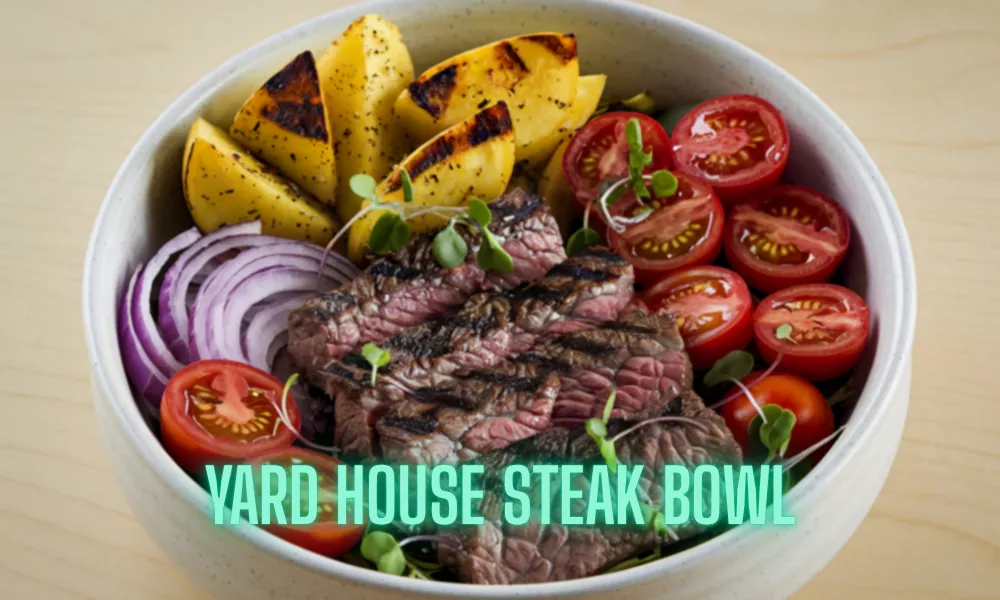
- Divide the cooked rice, quinoa, and vegetable mixture evenly among four serving bowls. Arrange the sliced sirloin steak over the top of each portion.
- Sprinkle with toasted sesame seeds and sliced green onions. Serve immediately while warm.
Notes
- Cook the rice and quinoa in advance to reduce preparation time.
- Baby broccoli or broccolini can replace asparagus.
- Avoid overcrowding the skillet when searing the steak or stir-frying the vegetables.
- Let the steak rest before slicing and always cut against the grain.
- Adjust the crushed red pepper flakes to control the spice level.